Creating a Custom Dashboard with Payload NextJS: A Step-by-Step Guide


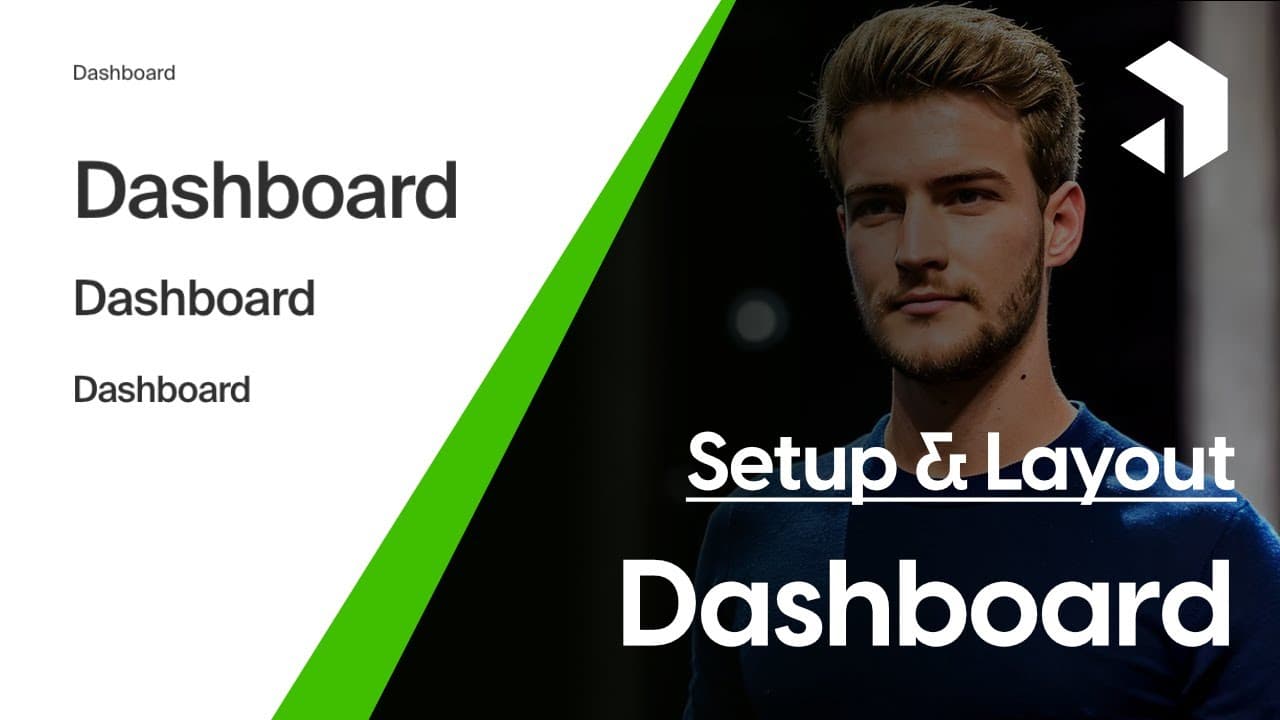

In this blog, we will explore how to set up a custom dashboard using Payload NextJS. This tutorial will walk you through the essential components and configurations needed to create a visually appealing and functional dashboard tailored to your needs.
For visual learners, you can follow along with our comprehensive video tutorial where we demonstrate the entire process from setup to deployment. Here is the link:
https://www.youtube.com/watch?v=ZXoi9sYk96k
Table of Contents
- Introduction to Payload NextJS
- Setting Up Your Custom Dashboard
- Building the Dashboard Component
- Configuring Payload to Use Your Dashboard
- Introducing the Gutter Component
- Adding the Eyebrow Component
- Utilizing Predefined CSS Styles
- Your data at a glance
- Conclusion and Next Steps
- Frequently Asked Questions
Introduction to Payload NextJS
Payload NextJS is a powerful framework that combines the flexibility of Payload CMS with the performance of Next.js. This synergy allows developers to create dynamic and highly customizable applications efficiently. With Payload NextJS, you can leverage the strengths of both technologies, enabling you to build a robust backend while enjoying the benefits of server-side rendering and static site generation on the frontend.
What sets Payload NextJS apart is its focus on modularity and reusability. By structuring your components and views effectively, you can maintain a clean codebase that is easy to scale. In this section, we will dive deeper into the core features of Payload NextJS and how they can enhance your development workflow.
Key Features of Payload NextJS
- Custom Components: Create reusable components tailored to your application needs.
- Dynamic Routing: Utilize Next.js routing capabilities to manage navigation seamlessly.
- Server-Side Rendering: Improve performance and SEO with Next.js's SSR features.
- Integration with Payload CMS: Easily connect your frontend to a powerful content management system.
Setting Up Your Custom Dashboard
To create a custom dashboard with Payload NextJS, you'll need to follow a series of steps that involve setting up your project structure and configuring your components. Let’s break down the process into manageable parts.
First, ensure you have a working Payload NextJS project. If you’re starting from scratch, you can follow the official documentation to set up your environment. Once you have your project ready, it’s time to create the necessary folders and files for your custom dashboard.

Creating Your Views Folder
The first step in setting up your custom dashboard is to create a new folder named views. This folder will house all your custom views, including your dashboard component. Organizing your components in this manner will help maintain clarity as your project grows.
Inside the views folder, create a file named dashboard.js. This file will define the structure and behavior of your custom dashboard. Here’s a simple example of what your dashboard.js might look like:
import React from 'react';

const Dashboard = () => {
    return (

Dashboard

    );
};

export default Dashboard;
Building the Dashboard Component
With your dashboard.js file in place, it’s time to enhance the dashboard component. The goal here is to create a visually appealing layout that utilizes Payload’s built-in components.
Start by importing the necessary components from Payload. For instance, you can use the Gutter component to manage spacing effectively. This will ensure your dashboard looks good on all screen sizes.
import { Gutter } from 'payload/components/elements';

const Dashboard = () => {
    return (


Dashboard


    );
};
Adding an Eyebrow Component
Next, let's include the Eyebrow component at the top of the dashboard. This component provides a title or description for the page, enhancing usability and navigation.
Import the Eyebrow component and place it outside the Gutter component to avoid indentation issues. Here’s how to do it:
import Eyebrow from 'payload/components/elements/Eyebrow';

const Dashboard = () => {
    return (
        <>
            Dashboard


Dashboard


    );
};
Configuring Payload to Use Your Dashboard
Now that you have your dashboard component set up, it’s time to configure Payload to use it instead of the default dashboard view. This is done in your payload.config.ts file.
Locate the admin section of your configuration file and add your custom dashboard component. Here’s an example of how to do this:
import Dashboard from './views/dashboard';

export default {
    admin: {
        components: {
            dashboard: Dashboard,
        },
    },
};
After saving your changes, refresh your application. You should now see your custom dashboard displayed instead of the default one. This customization is crucial for tailoring the user experience to fit your needs.
As you continue to develop your custom dashboard, consider adding more features, such as buttons and additional components that enhance functionality. The possibilities with Payload NextJS are vast, and with each step, you will be building a more powerful and user-friendly interface.
Introducing the Gutter Component
The Gutter component is essential for creating a well-structured layout in your dashboard. It helps manage spacing effectively, ensuring that your content is visually appealing and easy to read.
When you wrap your components in the Gutter, they gain responsive spacing that adapts to various screen sizes. This means that your dashboard will look great whether viewed on a desktop or a mobile device.
How to Implement the Gutter Component
To use the Gutter component, first, import it from the Payload elements:
import { Gutter } from 'payload/components/elements';
Wrap your main content within the Gutter component:
const Dashboard = () => {
    return (

            Dashboard

Welcome to Your Dashboard


    );
};
This setup not only enhances the aesthetics of your dashboard but also ensures that it remains user-friendly across different devices.
Adding the Eyebrow Component
The Eyebrow component serves as a title or a brief description at the top of your dashboard. It's a simple yet effective way to provide context to users about what they are viewing.
To implement the Eyebrow component, import it from the same elements folder and position it correctly outside the Gutter to avoid indentation issues.
Implementing the Eyebrow Component
Here’s how to add the Eyebrow component to your dashboard:
import Eyebrow from 'payload/components/elements/Eyebrow';

const Dashboard = () => {
    return (
        <>
            Dashboard


Welcome to Your Dashboard


    );
};
This approach ensures that your Eyebrow component displays correctly while maintaining the layout of your dashboard.
Utilizing Predefined CSS Styles
Payload NextJS comes with a set of predefined CSS styles that you can leverage to maintain consistency across your application. Using these styles allows you to create a cohesive look and feel without needing to reinvent the wheel.
For instance, using standard HTML tags like h1, h2, etc., automatically applies the styles defined by Payload. This means that you can focus on your content while ensuring that it adheres to the design standards of your application.
Applying Predefined Styles
Here’s a quick example of how to use these styles in your dashboard:
const Dashboard = () => {
    return (
        <>
            Dashboard


Welcome to Your Dashboard


Your data at a glance


    );
};
This not only saves you time but also ensures that your dashboard maintains a professional appearance.
Conclusion and Next Steps
In this section, we've covered how to set up the Gutter and Eyebrow components in your custom dashboard, along with utilizing predefined CSS styles. With these components in place, you are well on your way to creating a user-friendly and visually appealing interface.
As you continue developing your dashboard, think about the additional features you can integrate. Consider adding buttons for actions like refreshing data, navigating to other views, or exporting information. The flexibility of Payload NextJS allows you to create a rich user experience tailored to your needs.
Frequently Asked Questions
What is Payload NextJS?
Payload NextJS is a framework that combines the capabilities of Payload CMS with Next.js, allowing developers to build dynamic and highly customizable applications efficiently.
How do I customize my dashboard?
You can customize your dashboard by creating a new component, using the Gutter and Eyebrow components for layout and titles, and applying predefined styles for a consistent look.
What components can I use with Payload NextJS?
Payload NextJS offers a variety of built-in components such as Gutter, Eyebrow, buttons, and more, which you can use to enhance your application's functionality and design.
Can I add my own components?
Absolutely! You can create custom components to suit your specific needs, making Payload NextJS a flexible choice for your projects.